
According to a press release from TAHC, this is the first detection of NWS in Texas since northward progression from
Central America was observed in 2023. The TAHC is working closely with USDA and other state officials in a joint incident response.
An infestedzone has been established in the area, and animal movement restrictions are in effect to prevent further
spread of the pest. The agency is working in coordination with the USDA to expand fly trapping and
surveillance efforts to identify any additional flies in the area and investigate potential suspect cases in
animals. Epidemiological efforts are underway to learn more about this case and prevent spread of the pest.
According to the USDA, the U.S. food supply is safe. USDA’s Food Safety and Inspection Service (FSIS) ensures
that the nation’s commercial supply of meat, poultry, and egg products is safe and properly labeled.
NWS do not infest meat, fruits, vegetables, or other food sources.
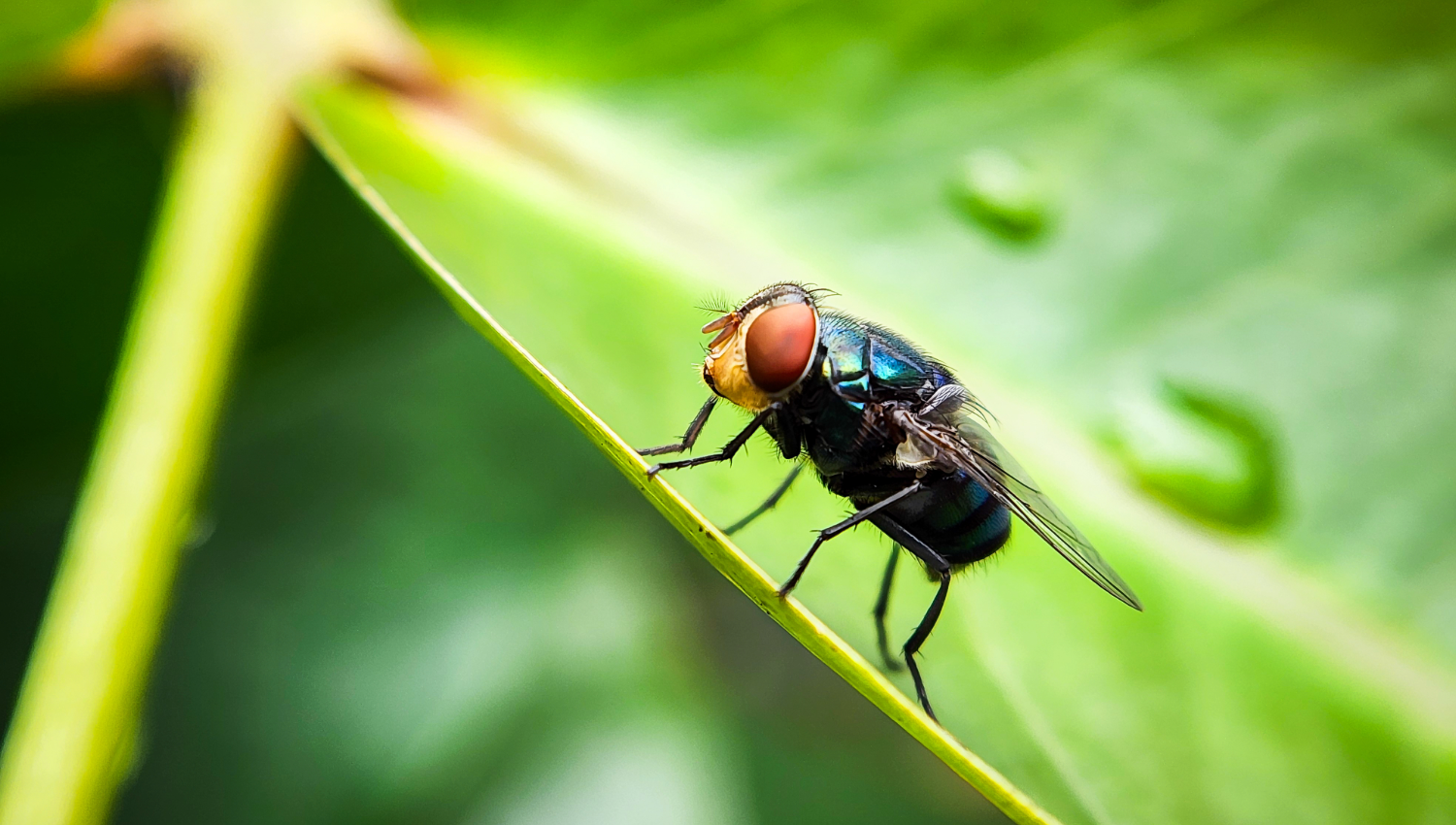
NWS are larvae or maggots of the NWS fly (Cochliomyia hominivorax), that cause the painful condition NWS
myiasis. NWS flies lay eggs in open wounds or orifices of live tissue. These eggs hatch into dangerous parasitic
larvae, or maggots, which burrow or "screw" into flesh with sharp mouth hooks. NWS
primarily infest livestock, but can also affect any warm-blooded animal, including wildlife, pets, humans, and
birds.
“TAHC has been actively preparing for a resurgence of NWS for over two years,” said Dr. Bud Dinges, TAHC
state veterinarian and executive director. “We are putting these preparations into action, and we encourage
all animal owners and caretakers to continue to remain vigilant for the presence of larvae in animal
wounds and immediately report any suspicions.”
Targeted releases of sterile NWS flies are being expedited to eliminate any reproducing populations in the
area associated with the detection. When combined with enhanced surveillance, movement restrictions,
prompt treatment of wounds, and education and outreach efforts, the sterile insect technique is a proven
and effective tool for controlling and eradicating this pest.
In addition to frequently monitoring animals, producers should implement enhanced management practices
including keeping open wounds clean and covered. Animals infested with NWS should be immediately treated
with an appropriate method under the direction of a veterinarian.