
U.S. agriculture is experiencing a striking divergence in market forces. According to USDA’s Economic Research Service (ERS) July 2026 Food Price Outlook, livestock inventories are tightening to historic lows while segments of the poultry and produce sectors begin a dramatic recovery.
For producers across Indiana, Michigan, and the Midwest, the latest report paints a complex picture of soaring values in the beef cattle sector juxtaposed against a sweeping relief in egg prices after years of volatile outbreaks.
Cattle Crunch Pushes Beef Prices to Historic Highs
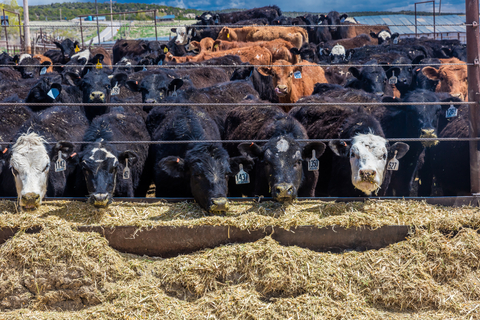
The most acute pressure point in the agricultural supply chain remains the beef sector. Driven by a cyclical contraction that has pushed the U.S. cattle herd down to its lowest level in 75 years, farm-level cattle prices and wholesale values continue to command historic highs.
- Retail Realities: Retail beef and veal prices jumped 1.4 percent from May to June, sitting a staggering 11.8 percent higher than a year ago in June 2025.
- Annual Forecast: ERS forecasters project that retail beef and veal prices will surge 10.7 percent overall for 2026.
- Producer Impact: Farm-level cattle prices are predicted to climb 11.6 percent this year, backed by wholesale beef price increases expected to average 10.6 percent, reflecting exceptionally robust consumer demand despite sticker shock at the meat counter.
Poultry and Eggs Find Massive Relief
In stark contrast to the cattle market, America’s poultry and egg sectors are finally catching a break from the bruising impact of Highly Pathogenic Avian Influenza (HPAI) that plagued previous years.
- Egg Price Freefall: Retail egg prices plummeted 27.9 percent year-over-year by June, with farm-level egg prices cratering an astonishing 83.3 percent lower than June 2025 levels.
- Recovery Drivers: Thanks to a lower frequency of new HPAI detections in early 2026 and a robust supply of replacement pullets capable of covering flock turnover and losses, USDA projects total egg production to rebound strongly this year. ERS predicts overall retail egg prices will drop 30.7 percent for the full year of 2026.
- Poultry Stability: Poultry prices fell 0.6 percent from May to June and are predicted to post a modest, stable increase of just 1.0 percent for the year.
Produce and Grain Volatility
The broader agricultural basket shows varying degrees of momentum across crops and commodities:
- Vegetables: Farm-level vegetable prices experienced a monthly dip of 8.0 percent in June but remain 59.2 percent higher than June 2025. Retail fresh vegetables—led by spikes in lettuce (up 32.1%) and tomatoes (up 19.5%)—are projected to rise 6.8 percent over the course of 2026.
- Wheat: Following sharp monthly volatility, farm-level wheat prices dropped 12.3 percent from May to June, but still track 11.1 percent higher than a year ago due to projected declines in domestic output. Annual farm-level wheat prices are predicted to finish the year up 11.8 percent.
- Milk and Dairy: Farm-level milk prices have mounted a comeback, rising for five consecutive months with a 10.1 percent jump from May to June, and are predicted to see a 6.6 percent annual increase for 2026.
Broader Inflation Trends
Overall economy-wide inflation, measured by the all-items Consumer Price Index (CPI), dipped 0.3 percent from May to June but sits up 3.5 percent annually. Food prices overall are behaving relatively predictably: the all-food CPI crept up 0.2 percent in June, putting food prices 3.0 percent higher than a year ago.
For the entirety of 2026, the USDA predicts all food prices will increase by 3.1 percent, matching the 20-year historical average for food-away-from-home (restaurant) inflation while slightly outpacing historical averages for grocery store (food-at-home) purchases at 2.7 percent.